Browser Accessibility Innovations Drive Crossovers Between Casual Puzzle Gaming and Persistent Strategy Networks in Online Arcades
Zoe Schröder · Oct 31, 2026
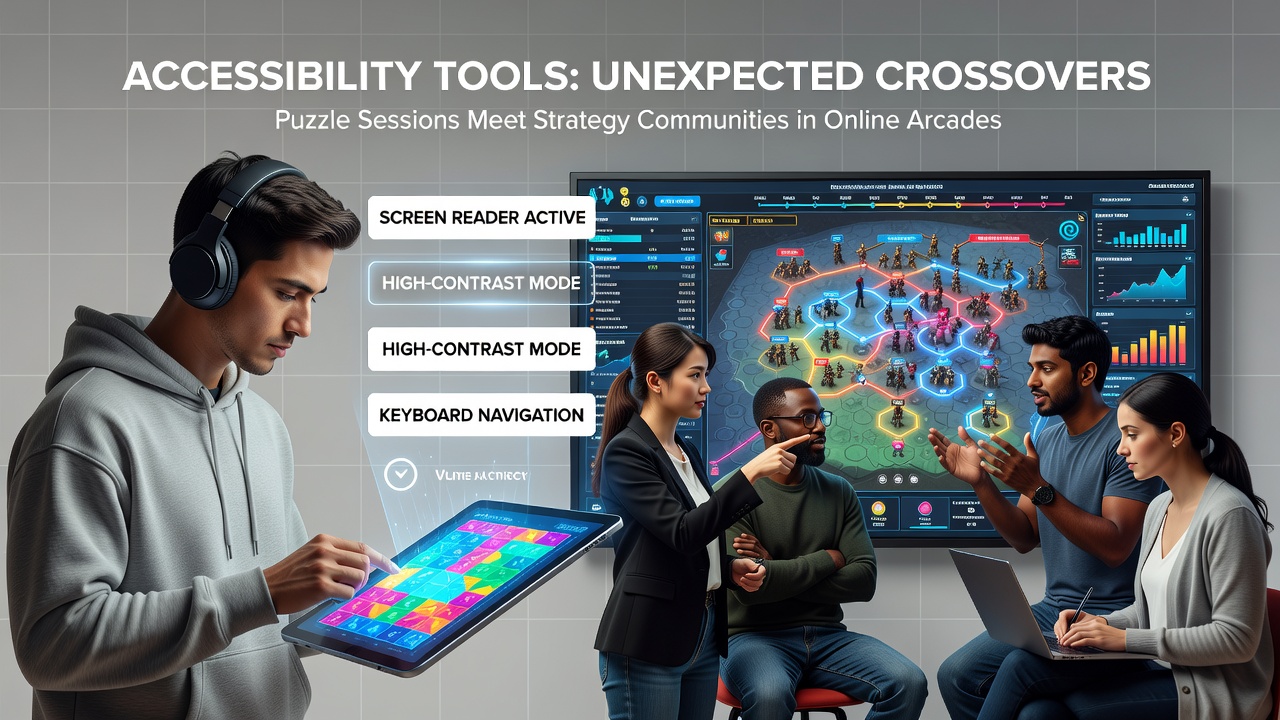
Browser Accessibility Innovations Drive Crossovers Between Casual Puzzle Gaming and Persistent Strategy Networks in Online Arcades
Browser accessibility tools such as screen readers, keyboard navigation systems, and adjustable contrast modes have enabled wider participation in casual puzzle sessions while simultaneously channeling players toward sustained strategy communities within online arcades, according to patterns tracked through 2026. These features operate by standardizing input methods and visual adjustments that align with web standards, which in turn allow individuals who might otherwise face barriers to complete quick puzzle levels without interruption. Data from platform analytics in October 2026 indicates that sessions initiated through accessibility-enabled browsers often extend beyond single playthroughs into repeated engagements that feed into larger multiplayer strategy ecosystems.
Core Mechanisms of Accessibility Integration
Screen readers parse HTML structures and ARIA labels to vocalize puzzle elements such as grid positions or tile matches, while keyboard shortcuts replace mouse clicks for actions like rotating pieces or submitting solutions. High-contrast toggles and scalable text sizes maintain readability across extended periods, which supports the shift from isolated quick plays to group-based strategy discussions. Researchers at the World Wide Web Consortium have documented how these tools reduce cognitive load during transitions between game types, creating pathways where casual participants encounter community forums or leaderboards embedded in the same arcade environments. In October 2026, browser updates from major vendors incorporated real-time voice command support that further streamlined navigation between puzzle interfaces and strategy chat modules.
Observed Player Movement Patterns
Platform records reveal that users starting with accessible puzzle modes frequently progress to sustained involvement in strategy titles through shared daily challenges or seasonal events. One documented trajectory involves players mastering basic match mechanics in accessible modes before joining coordinated campaigns that require planning across multiple sessions. Figures from industry monitoring services show that retention rates climb when accessibility options remain active, because they permit consistent participation regardless of device or physical considerations. This crossover appears in data sets collected through October 2026, where accessibility-enabled accounts demonstrate higher rates of movement into persistent strategy groups compared with standard configurations.
Community Formation Through Shared Tools
Strategy communities within browser arcades often originate from accessibility features that permit inclusive entry points. Players who rely on text-to-speech or simplified controls during initial puzzle encounters gain familiarity with the platform layout, which later supports deeper tactical exchanges in multiplayer arenas. Studies conducted by the Entertainment Software Association of Canada have tracked how these entry mechanisms correlate with the growth of dedicated subgroups focused on long-term campaign coordination. In practice, an individual might begin with a single accessible level, then discover integrated leaderboards that connect them to ongoing team-based objectives. Such linkages become evident in October 2026 usage logs, where accessibility toggles coincide with spikes in forum activity and scheduled strategy events.

Data Trends Through Late 2026
Analytics compiled across multiple arcade platforms during October 2026 highlight measurable increases in cross-genre participation following accessibility enhancements. Reports indicate that accounts utilizing contrast adjustments or keyboard-only controls record longer average session durations and higher rates of community joining. These metrics align with observations from academic reviews at institutions in the European Union, which note that standardized web accessibility reduces friction points that previously limited progression from casual to strategic play. Seasonal milestone events scheduled in October 2026 further amplified these effects by offering accessibility-compatible versions that funneled new participants directly into collaborative strategy frameworks.
Technical Enablers and Platform Responses
Developers have responded to accessibility standards by embedding modular controls that travel with users across game modes. This consistency allows puzzle solutions to inform strategy decisions without requiring separate learning curves. External reports from the Interactive Games and Entertainment Association in Australia document how such technical continuity supports the emergence of hybrid communities where quick-session veterans contribute to extended multiplayer campaigns. The result manifests in October 2026 as expanded player bases that maintain activity through both short puzzle bursts and sustained tactical operations.
Conclusion
Browser accessibility tools continue to facilitate documented transitions from casual puzzle engagement to enduring strategy participation in online arcades, as evidenced by usage patterns and retention statistics through October 2026. These mechanisms operate via standardized web features that promote inclusive access and consistent navigation. Platform data and external analyses confirm the resulting community expansions without reliance on subjective interpretation.