Charting Shifts from Arcade Flashes to Lasting Alliances in Browser Adventure Games
Zoe Schröder · Sep 19, 2026
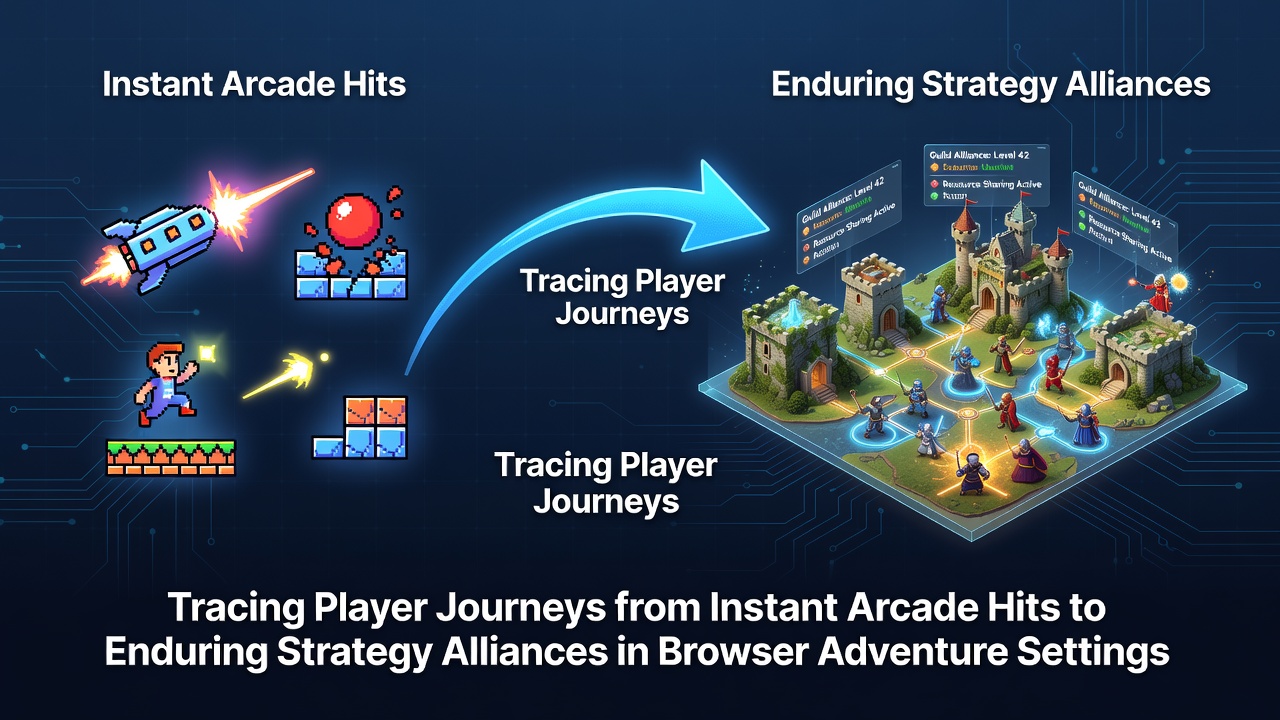
Charting Shifts from Arcade Flashes to Lasting Alliances in Browser Adventure Games
Browser adventure settings continue to draw participants who begin with brief arcade encounters yet develop into participants within extended strategy networks, and data from industry reports tracks these movements across multiple platforms during periods such as September 2026 when engagement metrics showed steady growth in crossover activities. Researchers have documented how initial sessions focused on rapid challenges often serve as entry points that introduce core mechanics later expanded through adventure frameworks.
Starting Points in Quick Arcade Formats
Many individuals first encounter browser titles through arcade style games that emphasize immediate feedback and short play windows, while these formats rely on simple controls and scoring systems that require minimal setup yet deliver repeated attempts within single visits. Studies compiled by the Entertainment Software Association reveal participation rates in such quick play modes reached notable levels among new users entering adventure categories each quarter. Those who examined user logs found patterns where arcade hits acted as gateways because they required no prior knowledge and allowed instant restarts after failures.
Observers note that arcade elements frequently incorporate basic puzzle or action loops which align with adventure narratives that unfold across longer periods, and this alignment creates natural bridges when players return for additional rounds. Figures from platform analytics indicate that a portion of arcade participants extend their time in related adventure titles after the first week of exposure.
Mechanisms Driving Movement Toward Strategy Layers
Transitions occur when arcade successes prompt users to explore deeper systems embedded in the same browser environment, whereas adventure settings introduce persistent elements like resource management and alliance formation that build directly on quick session skills. Data shows these shifts accelerate when daily reward structures connect short arcade runs to cumulative progress tracked in strategy components. Experts at research institutions have tracked cohorts where participants who logged repeated arcade attempts within the first month demonstrated higher retention in multiplayer strategy features by the third month.
What's notable is how browser technology supports seamless movement between modes without downloads or account barriers, and this accessibility sustains momentum from initial hits into sustained campaigns. In September 2026 platform updates further integrated these layers by allowing arcade scores to influence alliance standings in adventure worlds.
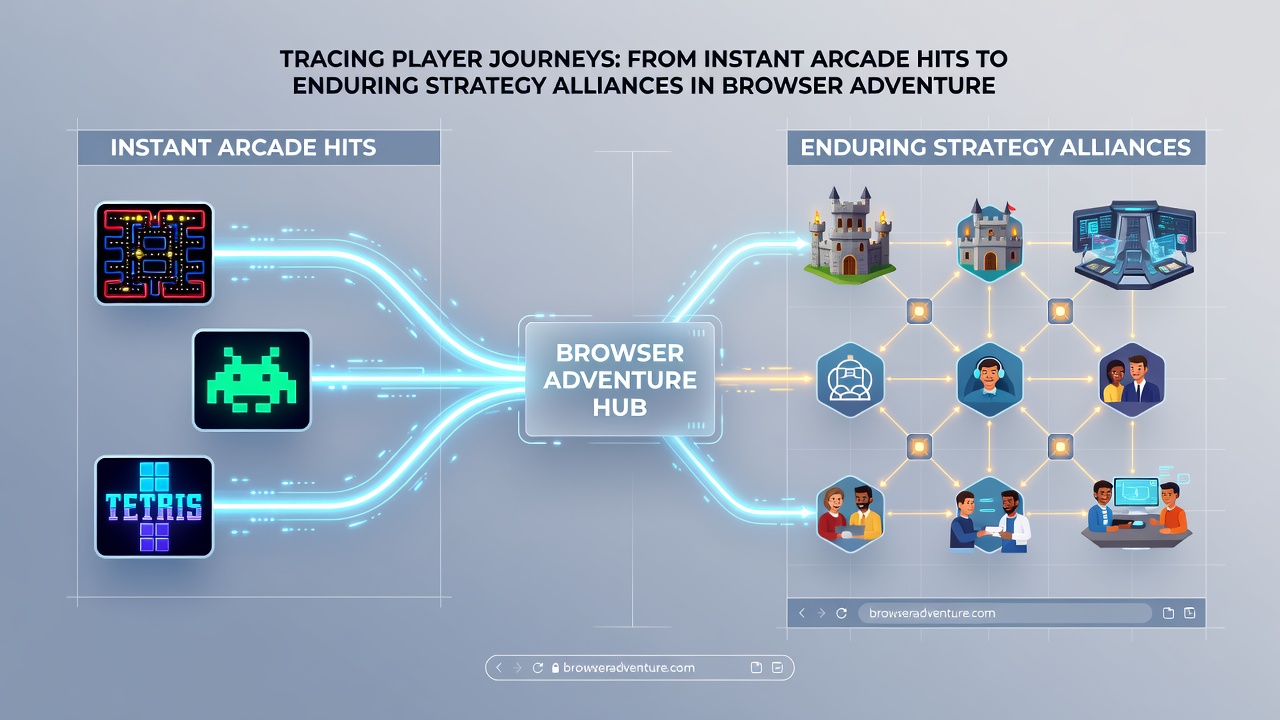
Alliance Formation Within Adventure Contexts
Enduring strategy alliances emerge as players combine individual arcade honed abilities with group objectives that span multiple sessions, and these partnerships often center on shared goals such as territory control or narrative advancement that reward consistent contributions. Reports from academic studies at European universities highlight how browser based adventure platforms facilitate real time coordination among dispersed users who first met through arcade leaderboards. Those who analyzed interaction logs discovered that alliances formed after arcade exposure tended to last longer when the underlying adventure provided visible progress markers tied to collective efforts.
Platform operators have observed that strategy elements gain traction when they incorporate arcade derived timing and precision requirements into larger decision trees, thereby reducing the learning curve for newcomers. This integration pattern appears across various regions with comparable data from North American and Australian gaming associations confirming similar trajectories.
Patterns Observed Across Player Cohorts
Longitudinal data collected through browser analytics demonstrates recurring sequences where participants move from isolated arcade attempts to collaborative strategy sessions within adventure frameworks, and these sequences often stabilize after several weeks of mixed play. Research indicates that users who engage both formats report higher satisfaction metrics compared to those remaining in single mode environments. Community forums and in game metrics together illustrate how early arcade wins build confidence that supports riskier strategic choices later.
Additional findings from industry trade groups show seasonal spikes in September 2026 aligned with new adventure content releases that encouraged arcade veterans to test alliance systems. These spikes correlated with increased cross mode activity rather than isolated spikes in either category alone.
Conclusion
Browser adventure settings continue to function as environments where quick arcade engagements evolve into structured strategy alliances through gradual exposure and integrated design features, and ongoing data collection from multiple sources supports the consistency of these player paths across time periods including September 2026. Platform developments maintain these connections by preserving core mechanics while expanding opportunities for group based progression.